
How accurate is your measurement?
Our Grade 8 learners put their scientific skills to work as they explored how the same object can be measured using different types of weighing scales—from the triple-beam balance and double-beam balance to standard and digital weighing scales.
The purpose of this activity is to develop learners’ skills in measuring and comparing mass accurately, recognize differences in measurements obtained from various weighing instruments, and understand factors that may cause variations in results.
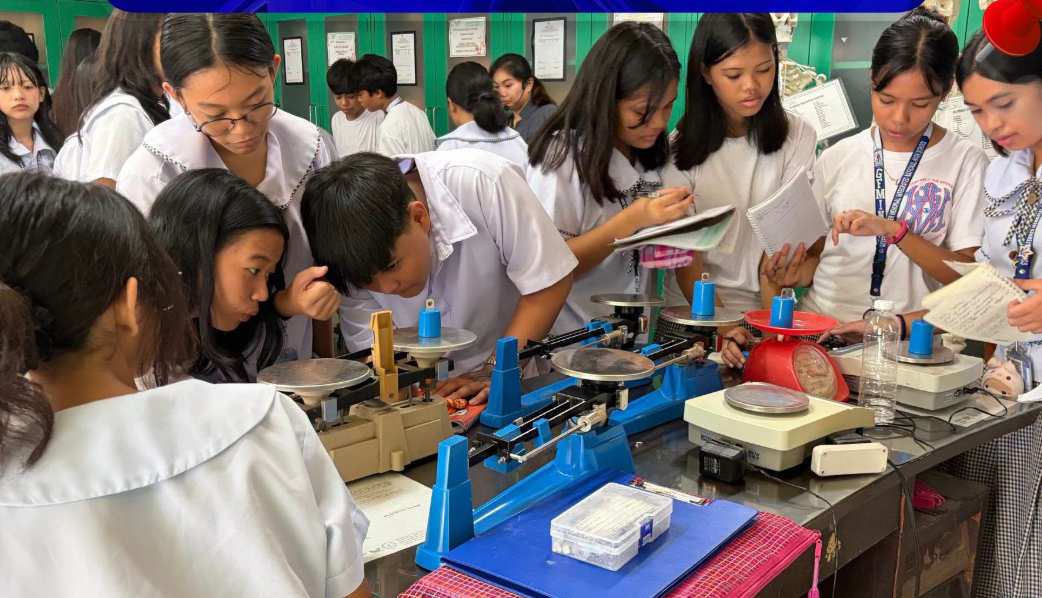
Through this hands-on activity, learners practiced proper use of measuring instruments, careful observation, recording of data, comparison of results, and scientific reasoning.
Science reminds us: Measurement is not simply about getting a number—it is about understanding accuracy, precision, and the factors that affect our results.
𝗚𝗿𝗲𝗮𝘁 𝗷𝗼𝗯, 𝗚𝗿𝗮𝗱𝗲 𝟴 𝗦𝗰𝗶𝗲𝗻𝘁𝗶𝘀𝘁𝘀! 𝗞𝗲𝗲𝗽 𝗺𝗲𝗮𝘀𝘂𝗿𝗶𝗻𝗴, 𝗾𝘂𝗲𝘀𝘁𝗶𝗼𝗻𝗶𝗻𝗴, 𝗶𝗻𝘃𝗲𝘀𝘁𝗶𝗴𝗮𝘁𝗶𝗻𝗴, 𝗮𝗻𝗱 𝗱𝗶𝘀𝗰𝗼𝘃𝗲𝗿𝗶𝗻𝗴!
No responses yet